If you've ever come off a bike — even at low speed — you already know that your hands instinctively go out first. It's a reflex. And without proper gloves, it's also a recipe for road rash, fractured fingers, or worse. Motorcycle riding gloves aren't just an accessory. They're one of the most important pieces of gear you can invest in, and yet they're often the first thing riders skip.
Why motorcycle riding gloves matter more than you think
Think about how much you use your hands every single day — now imagine going even a week with road rash across your palms. Your hands are full of small bones, tendons, and nerves that are incredibly difficult to heal, and they take the brunt of any fall. Motorcycle riding gloves are specifically designed to absorb impact, reduce abrasion, and keep your hands protected in the event of a slide or crash.
Beyond crashes, there's the everyday riding experience to think about. Vibrations from the handlebars, wind chill at highway speed, rain and debris — good gloves make all of this significantly more manageable. Riding with bare hands isn't just risky, it's honestly uncomfortable after the first hour on the road.
“In a crash, your hands hit the ground before anything else. A good pair of gloves is the difference between walking away and waiting in the ER.”
What to look for in a good pair
Not all riding gloves are created equal. Here's what separates a quality pair from something that just looks the part:
|
Knuckle protection |
Hard or soft armour over the knuckles absorbs impact energy before it reaches your bones. |
|
Palm sliders |
High-density foam or hard inserts on the palm reduce friction and absorb the shock of a slide. |
|
Right material |
Leather for durability, textile for breathability, or a hybrid for everyday versatility. |
|
Secure fit |
Velcro wrist closures or adjustable straps keep the glove in place even during a crash. |
Types of motorcycle riding gloves — and which one's right for you
There's no universal "best" glove — it depends entirely on how and where you ride.
01. Full-gauntlet / Racing gloves
Maximum protection with extended cuffs that cover the wrist and forearm. Built for high-speed riding where you need CE-rated armour and reinforced stitching throughout. Great for track days and highway touring.
02. Short-cuff / Urban gloves
Sleeker and less bulky, these gloves end at the wrist. More comfortable for city riding and easier to put on and take off frequently. Still offer solid palm and knuckle protection.
03. Summer / Mesh gloves
Designed for ventilation on hot days. Made with breathable mesh panels that keep your hands cool without sacrificing basic protection. Perfect for Indian summers — especially paired with a good arm sleeve.
04. Winter / Thermal gloves
Insulated linings and windproof shells to keep your hands warm in colder months. Some come with waterproof membranes for rain. Essential if you ride through December to February.
05. Adventure / Dual-sport gloves
Built for both tarmac and off-road riding. Usually heavier with extra abrasion resistance on the fingers and palm, plus enough grip for dirt and gravel control.
Getting the fit right
Even the best gloves won't protect you properly if they don't fit. Gloves that are too loose can slip during a fall; too tight and you'll lose circulation and feel on the controls.
To find your size, measure the circumference of your dominant hand around the knuckles (excluding the thumb) with a soft measuring tape. When trying on, make sure:
• There's no bunching of material at the palm or fingers
• The knuckle armour sits directly over your knuckles — not shifted toward the fingers
• Your fingertips reach to the end of the glove without being cramped
• You can comfortably operate the throttle, brake, and clutch
• The wrist closure secures snugly without cutting off circulation
Keep in mind that leather gloves will mould to your hand over time and feel slightly stiff at first. Textile and mesh gloves typically fit true to size from day one.
How to take care of your gloves
Riding gloves are an investment — and treating them right means they'll last far longer and keep performing when you need them to.
Leather gloves
Wipe them down after every ride with a dry or slightly damp cloth. Apply a good leather conditioner every couple of months to prevent cracking. Avoid leaving them in direct sunlight for long periods — it dries out the material quickly.
Textile and mesh gloves
Most can be hand-washed with mild soap and cold water. Check the care label before machine washing — some inner linings can shrink or warp. Air dry only; never put them in a dryer or near direct heat.
When to replace them
If you've had a significant crash, replace your gloves even if they look fine. Internal armour and foam can compress and crack without showing visible damage. Also watch for fraying stitching, worn-through palm areas, or any armour that feels loose inside the pocket.
Pairing your gloves with the rest of your kit
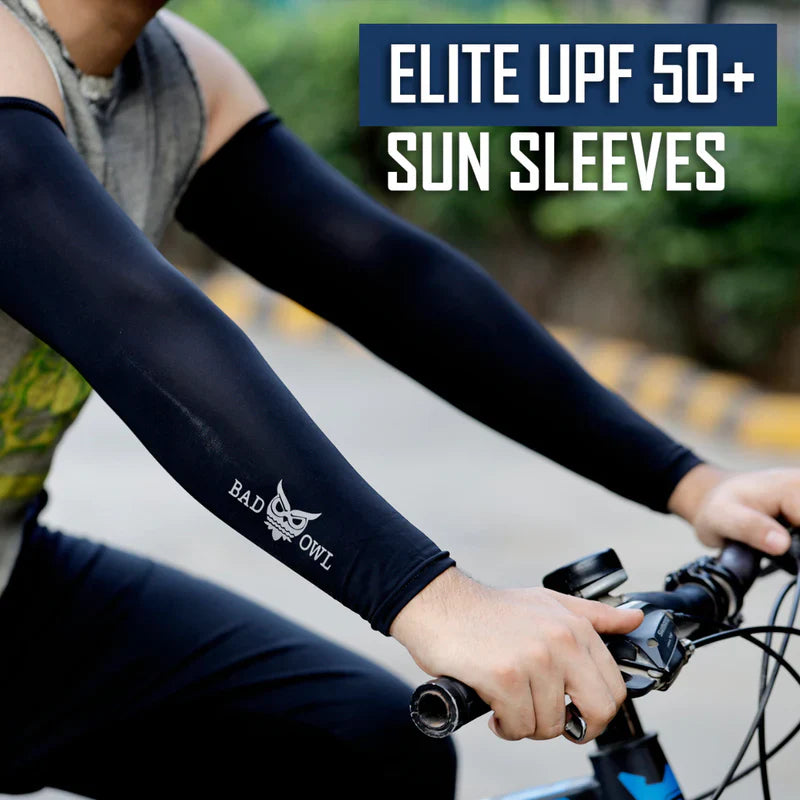
Good gear works best as a system. If you're riding in summer conditions — common across most of India — pairing your gloves with UV-protective arm sleeves is a smart move. Arm sleeves cover the gap between your jacket sleeve or t-shirt and your glove cuff, protecting your forearms from sun exposure, debris, and abrasion on a slide.
A balaclava or neck gaiter under your helmet rounds out your upper body protection, especially for dusty highway stretches. Layering intentionally — rather than just grabbing whatever's clean — makes a real difference in both comfort and safety over a long ride.
Shop BadOwl Riding Gloves
From mesh summer gloves to full-gauntlet touring options — browse our collection and gear up properly for every ride.